ARJ Extraordinary General Assembly Adopts Revised Constitution and Reviews Institutional Progress
Written by
Emmanuel
Published
Jul 31, 2026
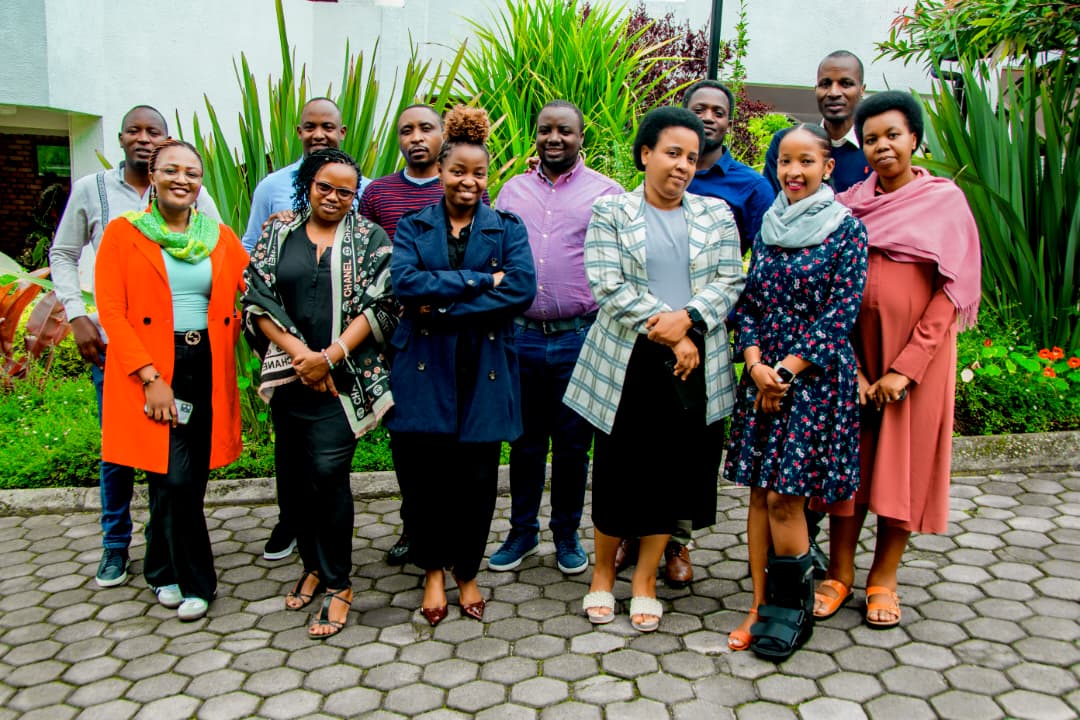
Kigali, 19 June 2026 — The Rwanda Journalists Association (ARJ) held an Extraordinary General Assembly at its headquarters in Remera, Kigali, bringing together members to review the Association’s achievements, adopt a revised Constitution and agree on priorities for strengthening journalism and journalists’ welfare in Rwanda.
The meeting was chaired by ARJ President Dan Ngabonziza and attended by members of the Association, representatives of its governing organs and invited participants. A notary was also present to support the formal adoption of the revised Constitution.
The Assembly considered three main agenda items: ARJ’s achievements from November 2025 to June 2026, the review and adoption of the revised Constitution, and other matters affecting the Association and Rwanda’s media sector.
Assembly Reviews ARJ Achievements
Members received a report on ARJ’s institutional, professional and advocacy activities during the period under review.
The report highlighted progress in organizational governance, capacity-building for journalists, media-sector research, professional dialogue, partnerships and journalists’ welfare.
ARJ continued strengthening its internal systems through statutory meetings, leadership consultations and the revision of key governance and operational documents.
The Association also organized training activities that benefited approximately 80 journalists in different areas of journalism and public-interest reporting.
During the same period, ARJ organized and supported 41 editions of “Urubuga rw’Itangazamakuru,” a media discussion programme that provides a platform for journalists, public officials, experts and citizens to discuss issues affecting journalism, governance and national development.
ARJ also coordinated content involving 24 media channels, helping participating media organizations reach wider audiences with information and discussions on matters of public interest.
Media Mapping and Research
The General Assembly reviewed the findings and dissemination of ARJ’s national media-sector mapping report.
The initiative documented journalists and media organizations operating across Rwanda and identified important trends, professional challenges and institutional gaps within the sector.
The findings are expected to support future training programmes, advocacy initiatives, policy discussions and evidence-based interventions aimed at strengthening journalism in Rwanda.
ARJ also conducted research on the use of artificial intelligence and social media in journalism. The research examined the opportunities created by new technologies as well as concerns related to ethics, misinformation, editorial accountability, employment and journalists’ capacity to use emerging tools responsibly.
Members were also updated on the proposed Media One Stop Centre Portal, a digital platform intended to provide journalists and media stakeholders with access to professional resources, research, opportunities and information about Rwanda’s media sector.
Promoting Excellence in Journalism
The Assembly discussed progress related to the Development Journalism Awards, one of ARJ’s major initiatives for recognizing excellence and encouraging journalism that contributes to national development.
The programme mobilized 22 partners, reflecting increased institutional support for professional and development-oriented journalism.
Members emphasized the importance of maintaining strong partnerships with public institutions, civil society organizations, academic institutions, development partners and media organizations.
They also stressed that such partnerships should support professional development while respecting journalists’ editorial independence.
The activity report further noted that ARJ maintained 14 computers used to support journalists and facilitate the Association’s training and professional programmes.
Revised Constitution Adopted
The adoption of ARJ’s revised Constitution was the central item of the Extraordinary General Assembly.
The Constitution was revised to respond to the Association’s current institutional needs, strengthen internal governance and align its operations with applicable legal requirements and developments in the media sector.
Members reviewed provisions concerning ARJ’s objectives, membership, governing organs, elections, leadership mandates, accountability, financial management and decision-making procedures.
Following deliberations, the General Assembly formally adopted the revised Constitution as ARJ’s principal governance framework.
The revised Constitution clarifies the roles and responsibilities of the General Assembly, the Executive Committee and other organs of the Association.
It also strengthens provisions relating to democratic leadership, membership participation, accountability and the transparent management of ARJ’s resources.
Under the revised framework, the General Assembly remains the Association’s supreme decision-making organ. The Executive Committee consists of five members elected by secret ballot for a five-year term, renewable once.
Members emphasized that the Constitution should be supported by clear internal regulations and procedures covering elections, financial controls, committee operations, meetings, dispute resolution and institutional reporting.
ARJ’s leadership was requested to ensure that the revised Constitution is communicated to members and implemented consistently.
Journalists’ Welfare and Institutional Sustainability
The Assembly also discussed the economic and social challenges affecting journalists.
Members noted that professional journalism cannot be strengthened without improving journalists’ working conditions, safety, welfare and access to social protection.
They reaffirmed the importance of ARJ’s solidarity initiatives and encouraged the Association to continue developing sustainable mechanisms to support members and their families during difficult circumstances.
The Assembly also called for stronger membership registration, greater participation in ARJ activities and improved payment of membership contributions.
Members observed that an active membership base is essential for the Association’s institutional independence, legitimacy and financial sustainability.
ARJ was encouraged to diversify its income sources and reduce dependence on short-term projects by developing sustainable services and partnerships that remain consistent with its professional mission.
Priorities for the Next Phase
The Extraordinary General Assembly endorsed several priorities for ARJ’s future work.
These include implementing the revised Constitution, preparing supporting internal regulations, strengthening financial sustainability and operationalizing the Media One Stop Centre Portal.
The Association will also expand professional training in areas such as artificial intelligence, journalism ethics, data journalism, public-interest reporting, responsible use of social media, journalists’ safety and reporting on water, sanitation and hygiene.
ARJ will continue advocating for media freedom, access to information, professional accountability and an environment that supports independent and responsible journalism.
Members also called for greater attention to gender equality, disability inclusion and the participation of young journalists in ARJ programmes and decision-making structures.
The Assembly further encouraged stronger collaboration with journalism schools, media houses, regulatory and self-regulatory institutions, public agencies, civil society organizations and international partners.
Commitment to Stronger Professional Journalism
Closing the meeting, ARJ’s leadership thanked members for their participation and contributions to the review of the Association’s progress and the adoption of the revised Constitution.
The leadership reaffirmed its commitment to transparency, inclusive governance and the protection of journalists’ professional interests.
Members were encouraged to remain actively involved in ARJ activities and contribute to building a united, credible and sustainable professional association.
The 19 June 2026 Extraordinary General Assembly marked an important stage in ARJ’s institutional development.
By adopting a revised Constitution and agreeing on clear priorities, the Association strengthened the foundation for promoting professional journalism, protecting media freedom and improving services provided to journalists across Rwanda.
About ARJ
The Rwanda Journalists Association is a professional organization dedicated to promoting ethical, independent, inclusive and development-oriented journalism.
ARJ supports journalists through professional training, advocacy, research, institutional partnerships, solidarity initiatives and programmes that recognize excellence in journalism.